![logo[2]](https://www.unitedfenceutah.com/wp-content/uploads/2016/02/logo2.png)
What Are the Common Misconceptions About Composite Fencing Like Trex — and What’s the Reality?

How Proper Installation Techniques Improve Trex Fencing Lifespan
February 6, 2026
What Are the Best Security Fence Options for Schools and Public Buildings?
March 6, 2026What Are the Common Misconceptions About Composite Fencing Like Trex — and What’s the Reality?
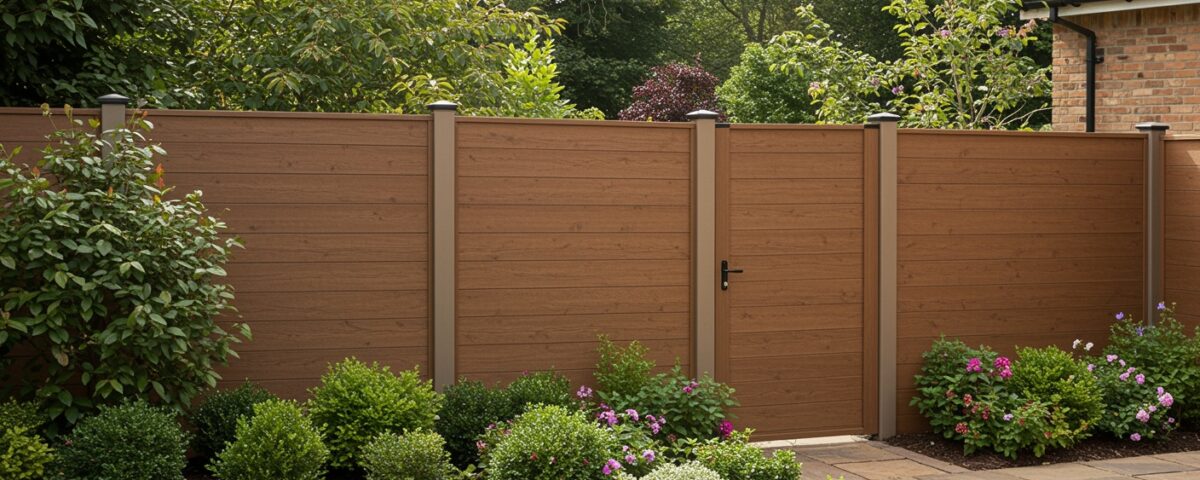
Composite fencing has become one of the most popular alternatives to traditional wood fencing, offering a combination of durability, privacy, and low maintenance. Products like Trex fencing are especially attractive to homeowners who want a fence that looks great for years without the constant upkeep associated with wood.
Despite its growing popularity, there are still several misconceptions surrounding composite fencing. Some people believe it’s completely maintenance-free, impossible to fade, or difficult to install. While composite fencing offers many advantages, understanding the reality behind these common Trex fence myths can help property owners make more informed decisions.
In this guide, we’ll separate fact from fiction and explain what composite fencing really offers in terms of performance, maintenance, cost, and longevity.
What Is Composite Fencing Made Of?
Before addressing common myths, it’s helpful to understand what composite fencing actually is.
Composite fencing is typically manufactured using a blend of recycled wood fibers and recycled plastics. This combination creates a material that captures the natural appearance of wood while providing enhanced resistance to moisture, insects, and weather-related damage.
Trex fencing is one of the most recognized composite fencing products on the market. It is engineered to deliver long-term durability while minimizing many of the maintenance concerns associated with traditional wood fencing.
Because composite fencing combines natural and synthetic materials, it offers a unique balance of strength, appearance, and performance.
Myth #1: Composite Fencing Is Completely Maintenance-Free
One of the most common Trex fence myths is that composite fencing requires absolutely no maintenance.
The Reality
Composite fencing is incredibly low-maintenance, but no outdoor product is entirely maintenance-free. Dirt, pollen, mildew, and debris can accumulate on fence surfaces over time, especially in areas with heavy vegetation or changing weather conditions.
Fortunately, maintenance is minimal. Most composite fences only require occasional cleaning with soap and water or a light rinse from a garden hose to maintain their appearance.
Unlike wood, composite fencing does not require:
- Painting
- Staining
- Sealing
- Sanding
- Frequent repairs due to rot or insect damage
While some routine care is necessary, the maintenance requirements are significantly lower than traditional wood fencing.
Myth #2: Composite Fencing Never Fades
Another common misconception is that composite fencing is completely immune to fading.
The Reality
Modern composite fencing products are manufactured with UV inhibitors that help reduce color loss caused by sun exposure. However, like virtually all outdoor materials, some degree of weathering can occur over time.
The important distinction is that fading is typically gradual and minimal compared to many other fencing materials. High-quality composite fencing maintains its appearance far longer than untreated wood and often performs better than lower-grade vinyl products exposed to intense sunlight.
Most homeowners find that any slight color change is barely noticeable after the initial weathering period.
Myth #3: Composite Fencing Is Difficult to Install
Some property owners assume composite fencing is complicated to install due to its engineered design.
The Reality
Composite fencing systems are often designed with installation efficiency in mind. Many products include interlocking components, pre-engineered panels, and manufacturer-specific hardware that simplify the installation process.
That said, proper installation is still critical. Composite materials expand and contract slightly with temperature changes, making proper spacing and alignment important.
Professional Trex Fencing Installation ensures the fence is installed according to manufacturer guidelines, helping maximize durability and performance while avoiding issues like warping or panel stress.
Myth #4: Composite Fencing Is Too Expensive
Initial pricing often causes some property owners to dismiss composite fencing without considering long-term costs.
The Reality
Composite fencing generally has a higher upfront cost than many wood fencing options. However, evaluating cost solely on installation price can be misleading.
Wood fencing often requires:
- Regular staining
- Painting
- Sealing
- Board replacement
- Rot repair
- Pest treatment
Over the lifespan of the fence, these maintenance expenses can add up significantly.
Composite fencing’s reduced maintenance requirements often make it a cost-effective investment over time. Many property owners find that the long-term savings offset the higher initial installation cost.
Myth #5: Composite Fencing Is No Stronger Than Wood
Some people assume composite fencing offers the same durability as traditional wood.
The Reality
Composite fencing is engineered specifically to address many of wood’s weaknesses. Unlike wood, composite materials resist:
- Rot
- Splitting
- Warping
- Insect damage
- Moisture absorption
This improved durability allows composite fencing to maintain structural integrity and appearance for many years, even in challenging climates.
While severe impacts can damage any fencing material, composite fencing generally provides excellent long-term performance and reliability.
Composite vs. Wood Fencing
Wood remains a popular fencing option because of its traditional appearance and lower upfront cost. However, it requires ongoing maintenance to preserve its condition.
Composite fencing offers several advantages:
- Longer lifespan
- Less maintenance
- Better moisture resistance
- Improved insect resistance
- Consistent appearance
For homeowners who prioritize convenience and long-term value, composite fencing often proves to be the better investment.
Composite vs. PVC (Vinyl) Fencing
Vinyl fencing is another low-maintenance option frequently compared to composite fencing.
Vinyl offers:
- Easy cleaning
- Moisture resistance
- Minimal upkeep
Composite fencing offers:
- Greater rigidity
- More natural appearance
- Enhanced privacy options
- Better sound absorption
The best choice depends on budget, aesthetic preferences, and performance goals.
What Is the Actual Lifespan of Composite Fencing?
One of the biggest advantages of composite fencing is its longevity. When professionally installed and properly maintained, many composite fencing systems can last 20 to 30 years or more.
Factors that influence lifespan include:
- Material quality
- Installation practices
- Climate conditions
- Maintenance habits
Compared to wood fencing, which may require significant repairs or replacement much sooner, composite fencing provides exceptional long-term value.
The Reality About Composite Fencing
The truth behind most Trex fence myths is that composite fencing offers a balanced combination of durability, low maintenance, attractive appearance, and long-term performance. While it’s not entirely maintenance-free or immune to weathering, it significantly reduces many of the challenges associated with traditional fencing materials.
For homeowners seeking a fence that combines beauty and durability without constant upkeep, composite fencing remains one of the best options available.
Trust United Fence Co. for Composite Fencing Solutions
At United Fence Co., we help homeowners and businesses throughout Utah choose fencing solutions that fit their needs and budget. Whether you’re considering Trex fencing, comparing materials, or planning a new installation, our team can guide you through every step of the process.
Contact United Fence Co. today to learn more about composite fencing and schedule a consultation.